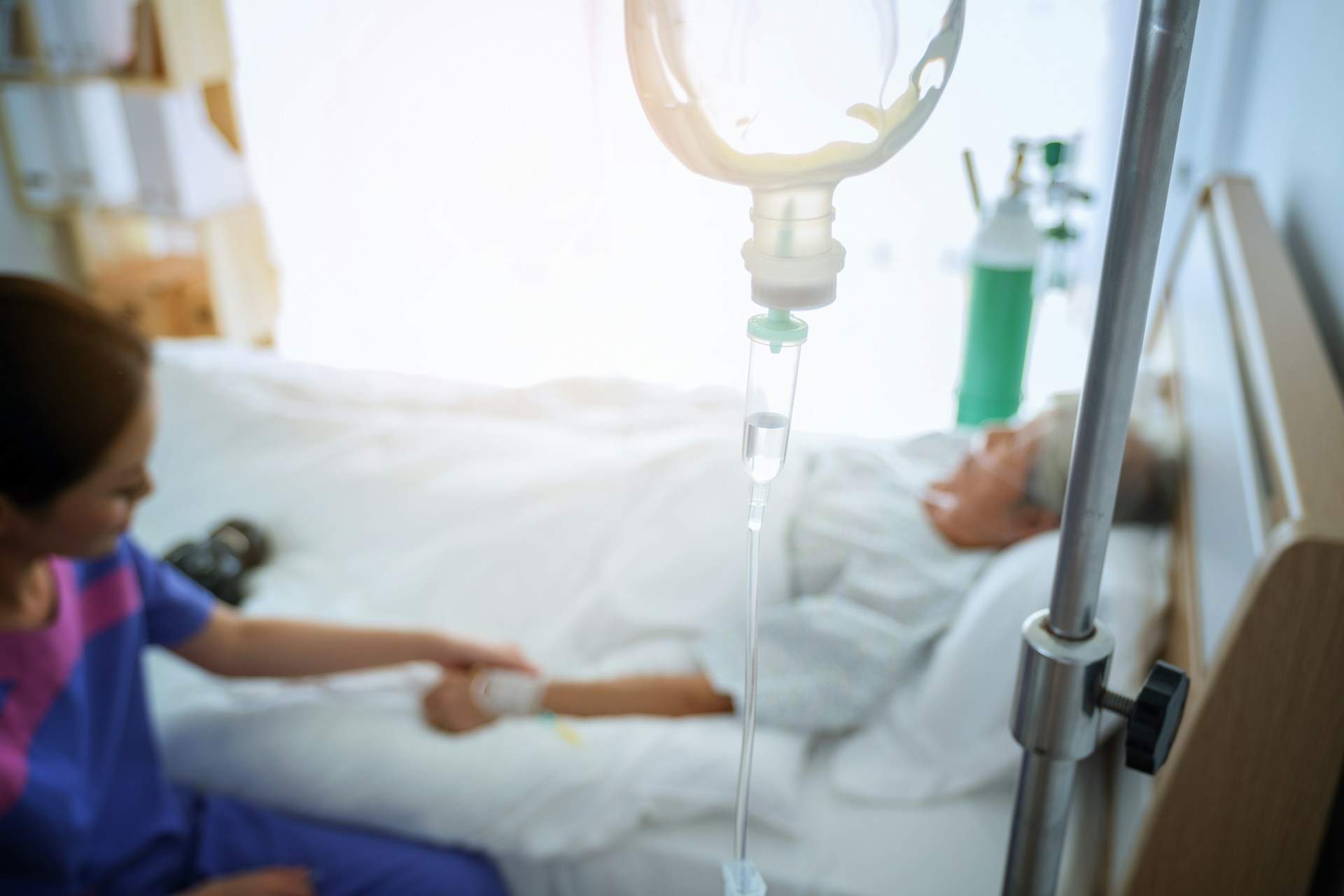
COVID-19 has created serious challenges for healthcare systems worldwide, especially when treating patients with severe breathing problems. Although many people experience mild symptoms, others develop lung complications that require specialized medical attention. Providing advanced respiratory care is essential for patients who cannot maintain healthy oxygen levels or breathe comfortably without assistance. Proper respiratory treatment helps improve oxygen delivery, supports damaged lungs, and reduces the risk of life-threatening complications. Healthcare professionals use modern medical equipment, continuous monitoring, and individualized treatment plans to manage respiratory distress. Understanding these approaches is important for patients, caregivers, and healthcare workers who want to improve recovery outcomes.
Understanding Respiratory Complications Caused by COVID-19
COVID-19 primarily affects the respiratory system and can cause significant inflammation in the lungs. The SARS-CoV-2 virus enters respiratory cells and may damage the delicate tissues responsible for exchanging oxygen and carbon dioxide. In severe cases, inflammation and fluid buildup interfere with normal breathing, making it difficult for the body to receive enough oxygen. Patients may experience persistent coughing, chest discomfort, rapid breathing, fatigue, and shortness of breath. Some individuals develop pneumonia or acute respiratory distress syndrome, commonly known as ARDS. This serious condition can cause respiratory failure and may require intensive care. Early identification of these complications allows healthcare professionals to begin appropriate treatment before the patient’s condition becomes more dangerous.
Importance of Early Respiratory Assessment and Monitoring
Early respiratory assessment plays a major role in managing severe COVID-19 infections. Healthcare professionals evaluate oxygen saturation, breathing patterns, heart rate, blood pressure, and other important health indicators to determine the severity of respiratory problems. Pulse oximeters help measure blood oxygen levels, while arterial blood gas tests provide additional information about oxygen and carbon dioxide exchange. Medical teams also assess signs of respiratory exhaustion, changes in mental status, and the patient’s overall condition. Continuous monitoring helps identify deterioration and allows clinicians to adjust treatment quickly. Timely medical intervention can reduce complications and improve the chances of successful recovery. Patients experiencing severe shortness of breath, confusion, persistent chest pain, or other emergency warning signs should receive immediate medical evaluation.
Oxygen Therapy for Patients With Severe COVID-19
Oxygen therapy is one of the most common treatments for COVID-19 patients experiencing low blood oxygen levels. This treatment supplies additional oxygen to support the body’s essential functions when the lungs cannot deliver enough oxygen naturally. Healthcare professionals may use nasal cannulas, oxygen masks, or specialized oxygen delivery systems depending on the patient’s condition. Patients with mild oxygen deficiencies may respond well to conventional oxygen therapy, while those with more severe respiratory distress may need advanced support. Medical teams carefully adjust oxygen delivery to achieve appropriate oxygen levels while avoiding unnecessary complications. Effective oxygen therapy is an important part of hospital-based respiratory treatment because it can stabilize patients and help prevent further organ damage.
High-Flow Nasal Oxygen for Improved Breathing Support
High-flow nasal oxygen therapy provides an advanced option for patients who require more respiratory assistance than conventional oxygen systems can deliver. This method supplies warmed and humidified oxygen through specialized nasal tubing at higher flow rates. The increased airflow can improve oxygen delivery, reduce breathing effort, and support patients experiencing significant respiratory distress. High-flow oxygen therapy may also help selected patients avoid invasive mechanical ventilation when their condition improves with treatment. However, healthcare professionals must monitor patients closely because severe respiratory failure can develop even while oxygen support is being provided. Treatment decisions depend on oxygen requirements, breathing effort, medical stability, and the availability of specialized hospital equipment. Proper patient selection and frequent reassessment are essential for safe and effective treatment.
Noninvasive Ventilation for COVID-19 Respiratory Failure
Noninvasive ventilation provides respiratory assistance without requiring a breathing tube inside the airway. This treatment uses a specialized face mask or similar interface to deliver pressurized air and oxygen into the lungs. Continuous positive airway pressure and bilevel positive airway pressure are two common forms of noninvasive respiratory support. These methods can improve oxygen exchange and reduce the effort needed to breathe. Healthcare professionals may recommend noninvasive ventilation for selected patients experiencing respiratory failure, depending on their medical condition and ability to tolerate the equipment. However, this treatment is not appropriate for every patient. Individuals with severe deterioration, certain airway problems, or an inability to protect their airway may require invasive ventilation instead. Careful monitoring and appropriate infection prevention measures are necessary throughout treatment.
Mechanical Ventilation for Critical COVID-19 Patients
Mechanical ventilation is an important life-support treatment for patients who develop severe respiratory failure. When oxygen therapy and other forms of breathing assistance cannot provide adequate support, healthcare professionals may use a mechanical ventilator. During invasive ventilation, a breathing tube is placed into the patient’s airway to help deliver oxygen and remove carbon dioxide. Modern ventilators allow intensive care teams to adjust breathing pressure, oxygen concentration, and other settings according to individual medical needs. For patients with ARDS, clinicians generally use lung-protective ventilation strategies to limit additional lung injury. Although mechanical ventilation can be lifesaving, it also carries risks, including infections and ventilator-related lung damage. Therefore, specialized medical teams continuously monitor patients and adjust treatment as their condition changes.
Prone Positioning to Improve Oxygen Levels
Prone positioning is another respiratory care technique used for selected patients with severe COVID-19. This method involves placing the patient on their stomach rather than their back to improve oxygen distribution within the lungs. The position can help certain lung regions function more effectively and improve oxygen exchange. Healthcare professionals commonly use prolonged prone positioning for mechanically ventilated patients with severe ARDS when clinically appropriate. Some awake patients receiving oxygen support may also benefit from supervised prone positioning. However, the procedure requires careful assessment because certain medical conditions can make this positioning unsafe. Trained healthcare teams monitor breathing, circulation, comfort, and potential complications throughout the process. When used appropriately, prone positioning can become an important part of comprehensive respiratory treatment.
Extracorporeal Membrane Oxygenation for Severe Lung Failure
Extracorporeal membrane oxygenation, commonly called ECMO, is an advanced life-support technology used for selected patients with extremely severe respiratory failure. This treatment temporarily supports oxygen exchange by circulating blood through an external machine that adds oxygen and removes carbon dioxide. ECMO may be considered when severe lung failure continues despite appropriate ventilation and other treatments. The technology can provide additional support while medical professionals treat the underlying illness and allow the lungs time to recover. However, ECMO requires highly trained specialists, specialized equipment, and continuous intensive care monitoring. It also carries important risks, including bleeding, blood clots, and infections. Because of these concerns, healthcare professionals carefully evaluate each patient’s condition before recommending ECMO treatment.
Managing Inflammation and Preventing Respiratory Complications
Severe COVID-19 can trigger excessive inflammation that damages lung tissues and interferes with normal breathing. Healthcare professionals may prescribe corticosteroids, such as dexamethasone, for patients with severe or critical COVID-19 who meet treatment criteria. These medications help control harmful inflammation and can improve outcomes in appropriately selected patients. However, corticosteroids are not routinely recommended for patients with non-severe COVID-19 who do not require oxygen support. Other treatments may include antiviral medications, selected immune-modifying drugs, and measures to prevent blood clots. Medical teams also monitor patients for bacterial infections and other complications that may develop during hospitalization. Antibiotics are generally used only when bacterial infection is suspected or confirmed. Individualized treatment plans help ensure that patients receive appropriate care based on disease severity and overall health.
Infection Prevention and Safety During Respiratory Care
Protecting healthcare professionals and other patients is an essential part of respiratory care during COVID-19. Respiratory procedures can expose medical staff to infectious particles, particularly during certain airway interventions. Hospitals use infection prevention protocols to reduce transmission risks and maintain safer treatment environments. Healthcare professionals follow applicable recommendations for respiratory protection, eye protection, gloves, gowns, and hand hygiene. Proper ventilation, equipment cleaning, and patient isolation when indicated are also important. Medical teams must receive training in the safe use of respiratory devices and protective equipment. Maintaining strong infection control practices helps healthcare facilities deliver necessary treatment while reducing the spread of respiratory infections.
Respiratory Rehabilitation and Recovery After COVID-19
Recovery from severe COVID-19 may continue long after patients leave the hospital. Some individuals experience ongoing shortness of breath, fatigue, muscle weakness, or reduced physical endurance. Patients who spend extended periods in intensive care may require additional support to regain normal physical function. Respiratory rehabilitation programs can include carefully supervised breathing exercises, physical therapy, strength training, and education about managing symptoms. Healthcare professionals develop individualized recovery plans based on each patient’s medical history, physical abilities, and rehabilitation needs. Exercise must be adjusted carefully, particularly for people experiencing post-exertional symptom worsening associated with Long COVID. Follow-up appointments allow healthcare teams to evaluate lung health, monitor symptoms, and identify complications that require further treatment.
Role of Healthcare Professionals in Advanced Respiratory Management
Successful respiratory treatment depends on teamwork among doctors, nurses, respiratory therapists, rehabilitation specialists, and other healthcare professionals. Doctors assess disease severity, recommend treatment, and monitor complications. Nurses provide continuous patient care, administer medications, and report changes in respiratory status. Respiratory therapists manage oxygen delivery systems, ventilators, and specialized breathing treatments. Rehabilitation specialists help patients regain strength and improve daily functioning after severe illness. Clear communication among healthcare teams supports timely medical decisions and reduces the possibility of treatment delays. Patient education is equally important because understanding symptoms, medications, and follow-up instructions can support safer recovery.
Improving Long-Term Respiratory Health After COVID-19
Long-term respiratory health is an important consideration for patients recovering from severe COVID-19. Some individuals return to their usual activities quickly, while others require extended medical supervision because of persistent breathing problems. Access to appropriate respiratory recovery support can help patients manage symptoms, rebuild physical endurance, and improve quality of life. Healthcare professionals may recommend follow-up lung function testing, individualized rehabilitation, and continued treatment when clinically necessary. Patients should also follow medical advice, avoid smoking, maintain balanced nutrition, and seek evaluation for new or worsening symptoms. Recommended vaccinations and appropriate infection prevention practices can further reduce the risk of serious respiratory illness.
Advanced respiratory care remains essential for managing severe COVID-19 and its complications. Oxygen therapy, high-flow oxygen systems, noninvasive ventilation, mechanical ventilation, prone positioning, and ECMO provide different levels of support based on individual patient needs. Early assessment, continuous monitoring, appropriate medication, and coordinated healthcare services improve the management of respiratory failure. Rehabilitation and ongoing medical supervision also support patients who experience prolonged symptoms after hospitalization. By combining evidence-based treatments with compassionate patient care, healthcare professionals can improve respiratory outcomes and help patients achieve a safer and more effective recovery.